OUR PLANES

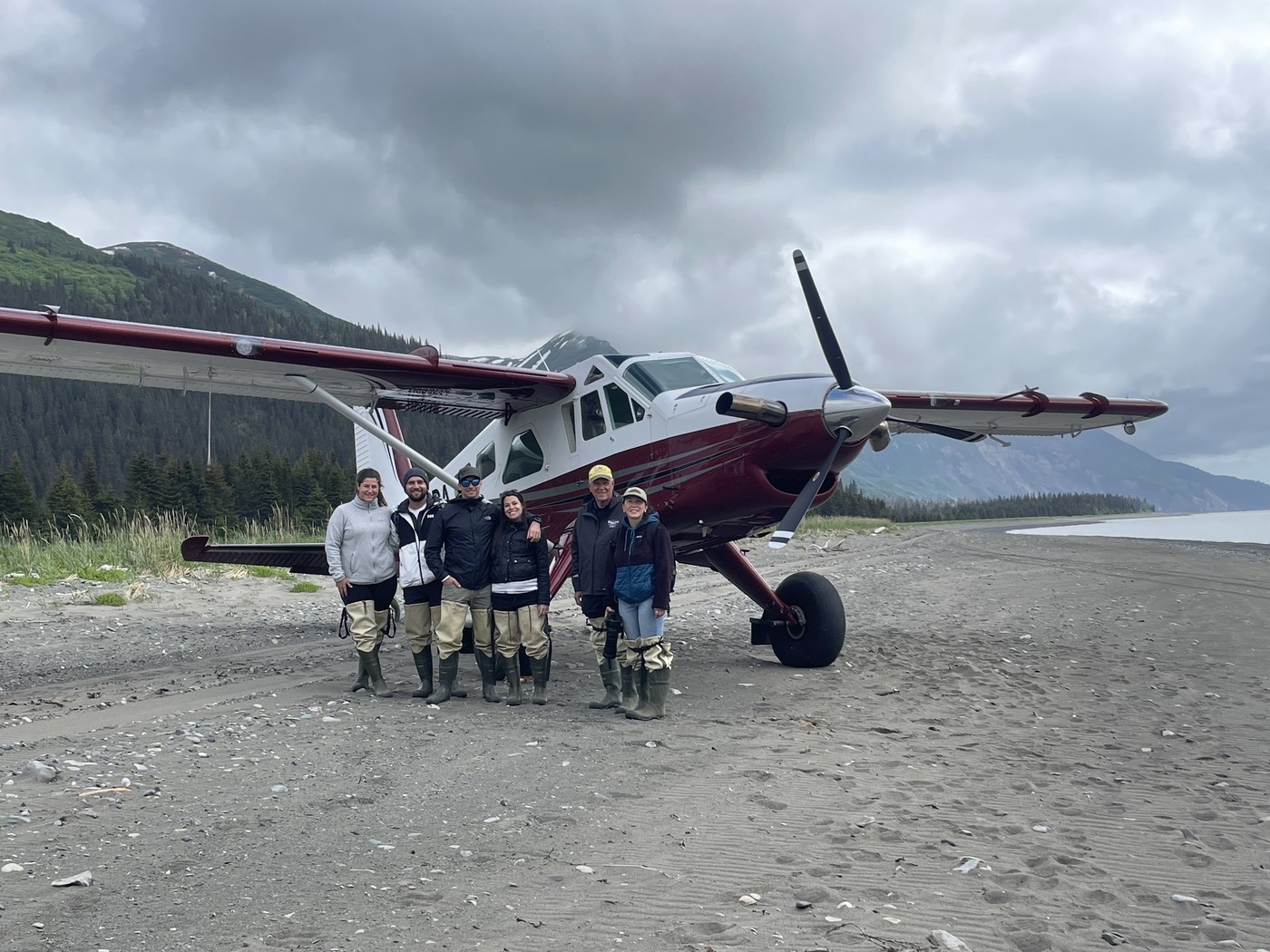
N906JS
de Havilland / Viking Aircraft
Model: DHC-2T MKIII Beaver
Year: 1962
Length: 30 ft
Wingspan: 48 ft
Powerplant: Pratt & Whitney PT6-34
Horsepower: 685
Payload: up to 1250 lbs Includes pilot and fuel
# Pax: 7
Speed: 125 Knots
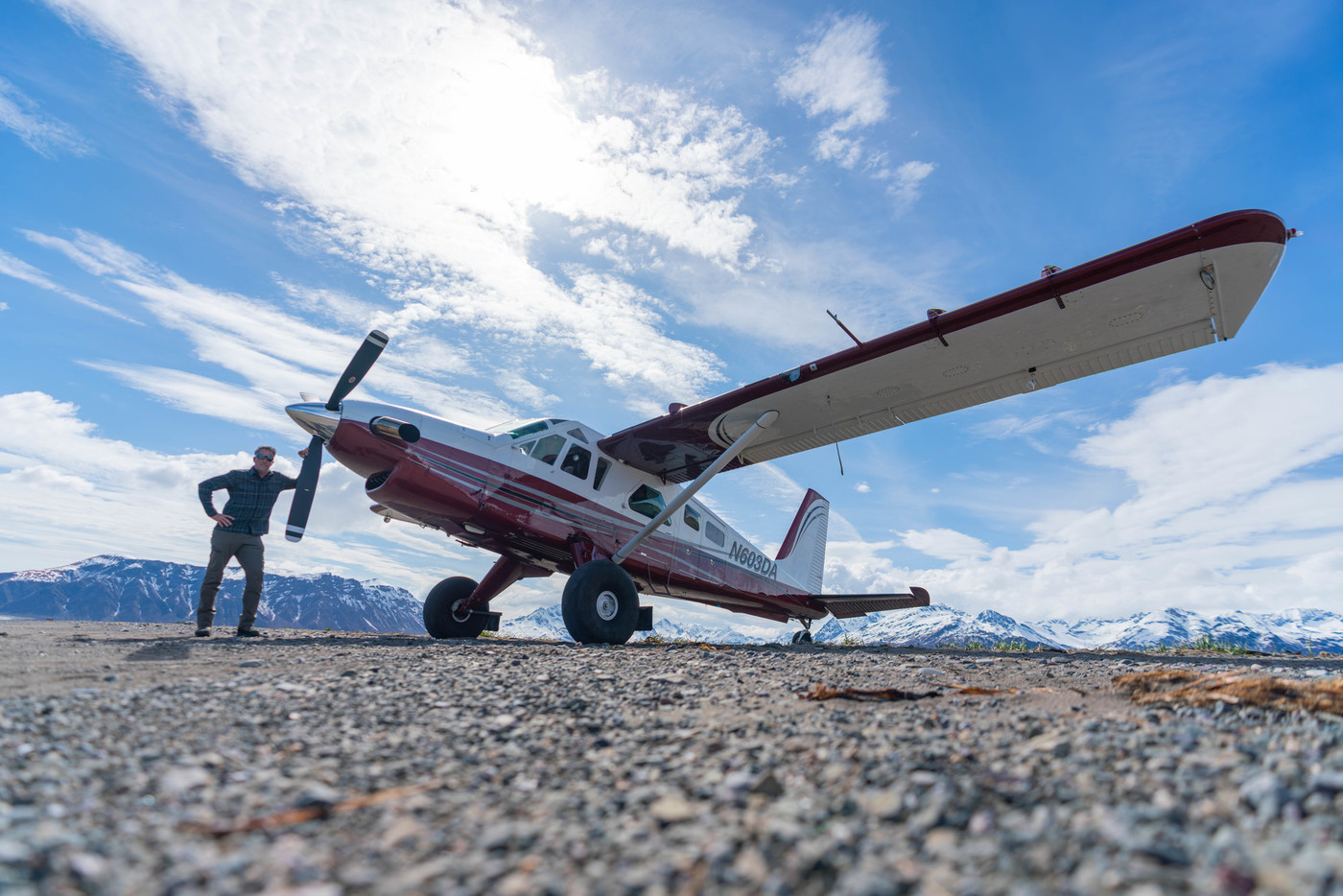
N603DA
de Havilland / Viking Aircraft
Model: DHC-2T MKIII Beaver
Year: 1957
Length: 41 ft
Wingspan: 58 ft
Powerplant: Pratt & Whitney PT6-34
Horsepower: 685
Payload: up to 1250 lbs Includes pilot and fuel
# Pax: 7
Speed: 125 Knots
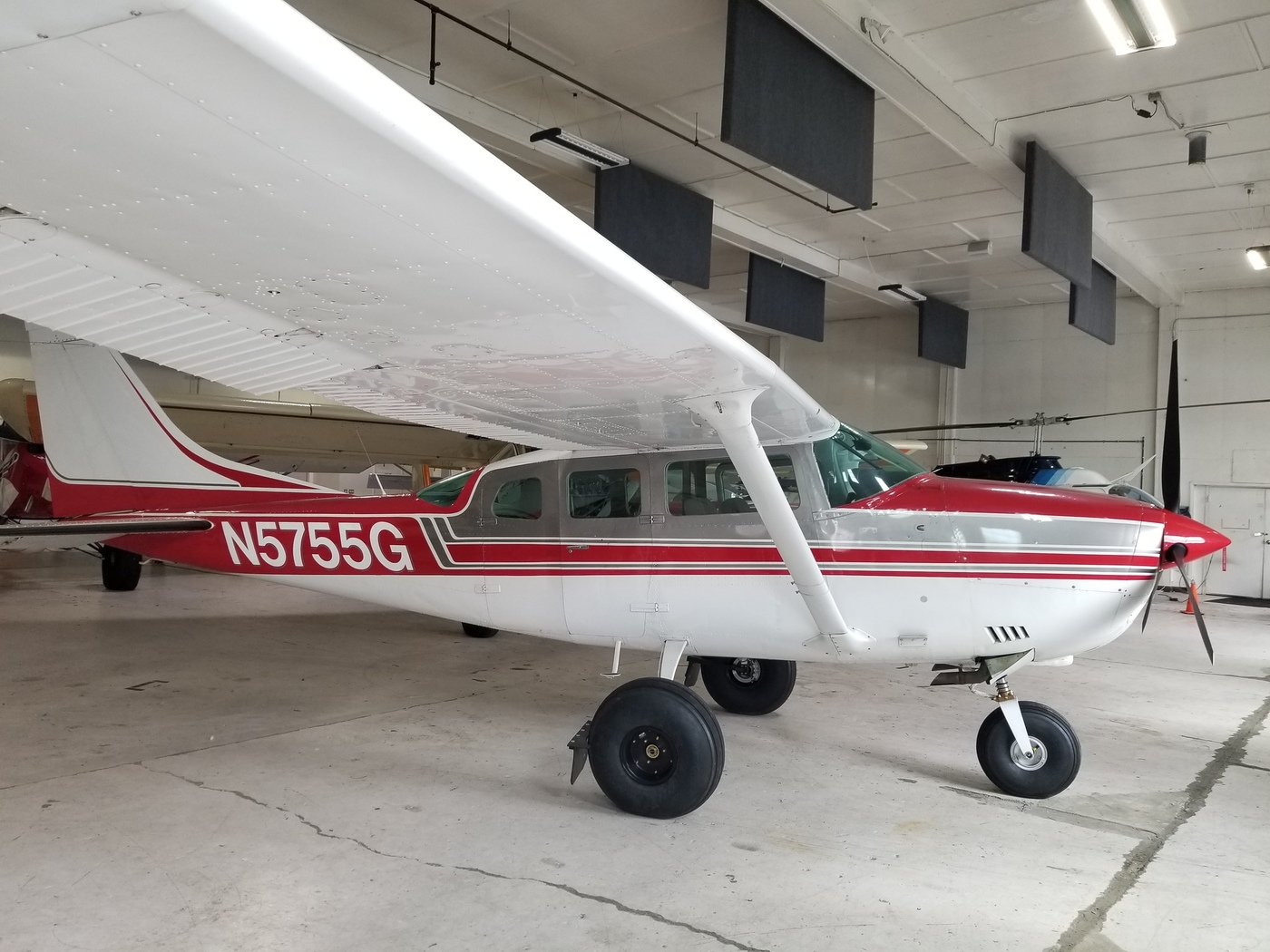
N5755G
Cessna Aircraft Company
Model: C-206G
Year: 1976
Length: 28 ft
Wingspan: 36 ft
Powerplant: Continental IO-550
Horsepower: 300
Payload: up to 850 lbs Includes pilot and fuel
# Pax: 5
Speed: 120 Knots
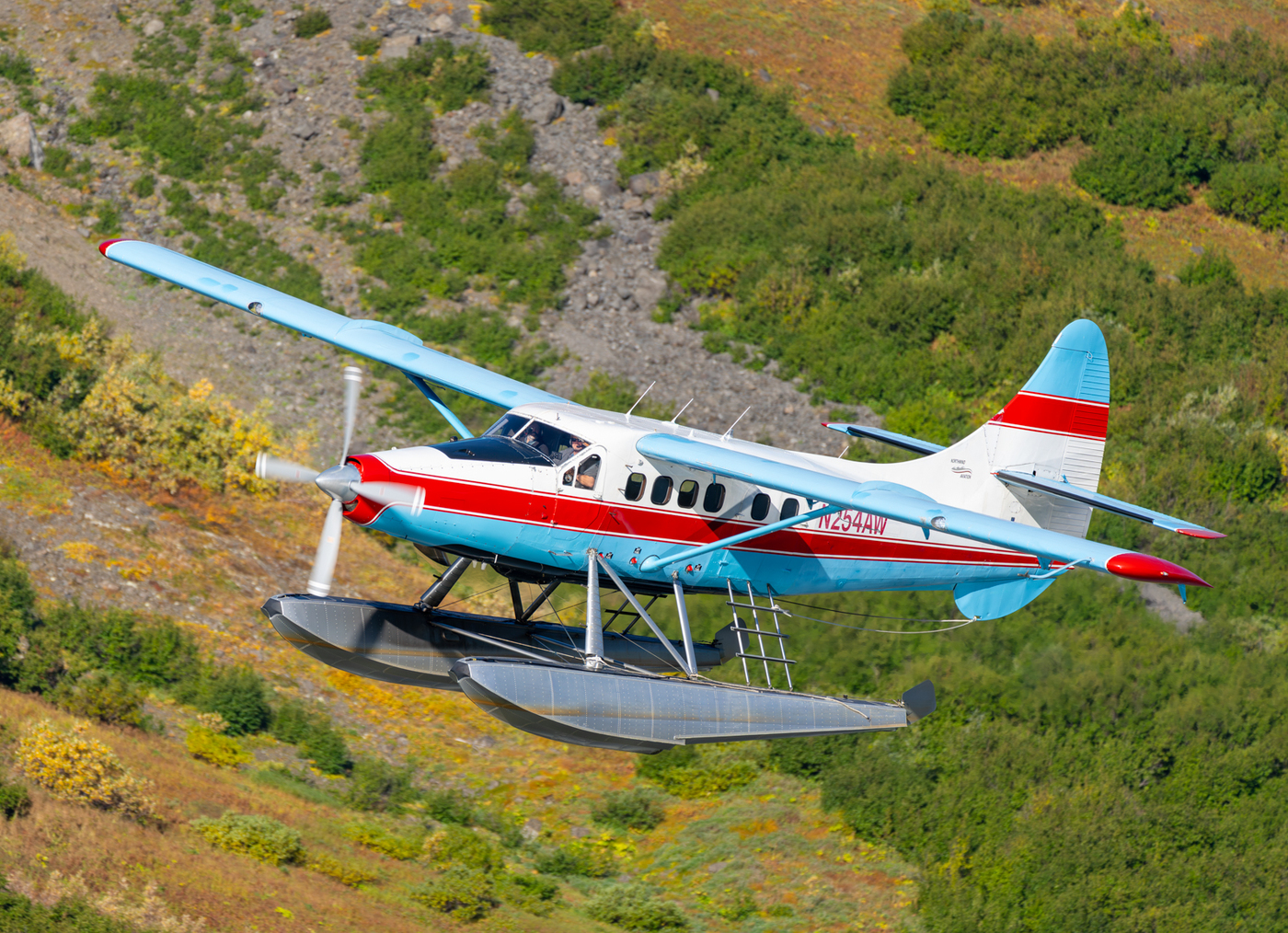
N254AW
de Havilland / Viking Aircraft
Model: DHC-3T Otter
Year: 1956
Length: 41 ft
Wingspan: 58 ft
Powerplant: Garrett PPE-331-10
Horsepower: 900
Payload: up to 2000 lbs Includes pilot and fuel
# Pax: 9
Speed: 115 Knots
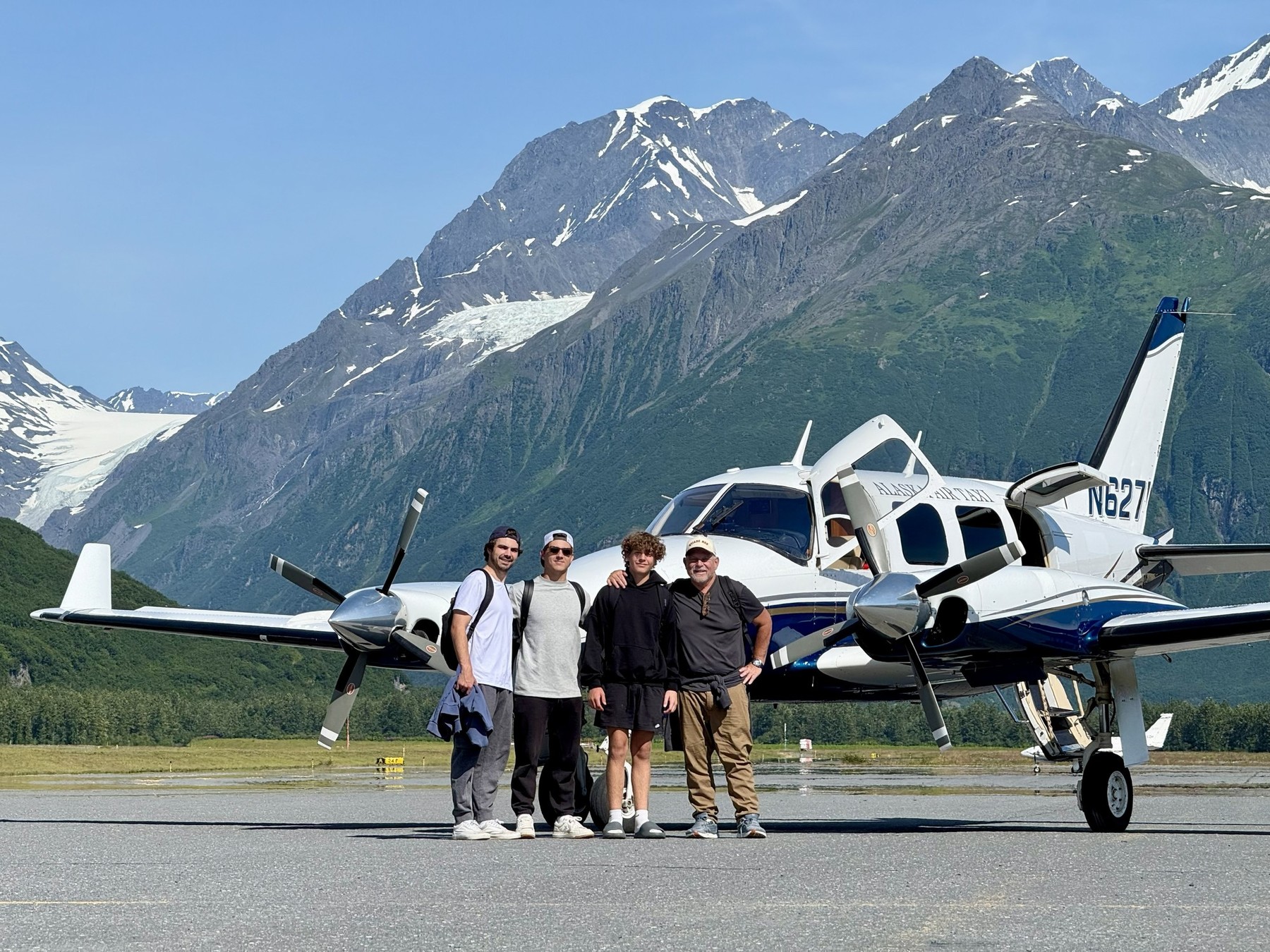
N627MA
Piper Aircraft
Model: PA-31-325/350 Panther Navajo
Year: 1975
Length: 33 ft
Wingspan: 41 ft
Powerplant: Twin Lycomming TIO 540 J2B
Horsepower: 350 ea.
Payload: up to 1250 lbs Includes pilot and fuel
# Pax: 7
Speed: 185 Knots
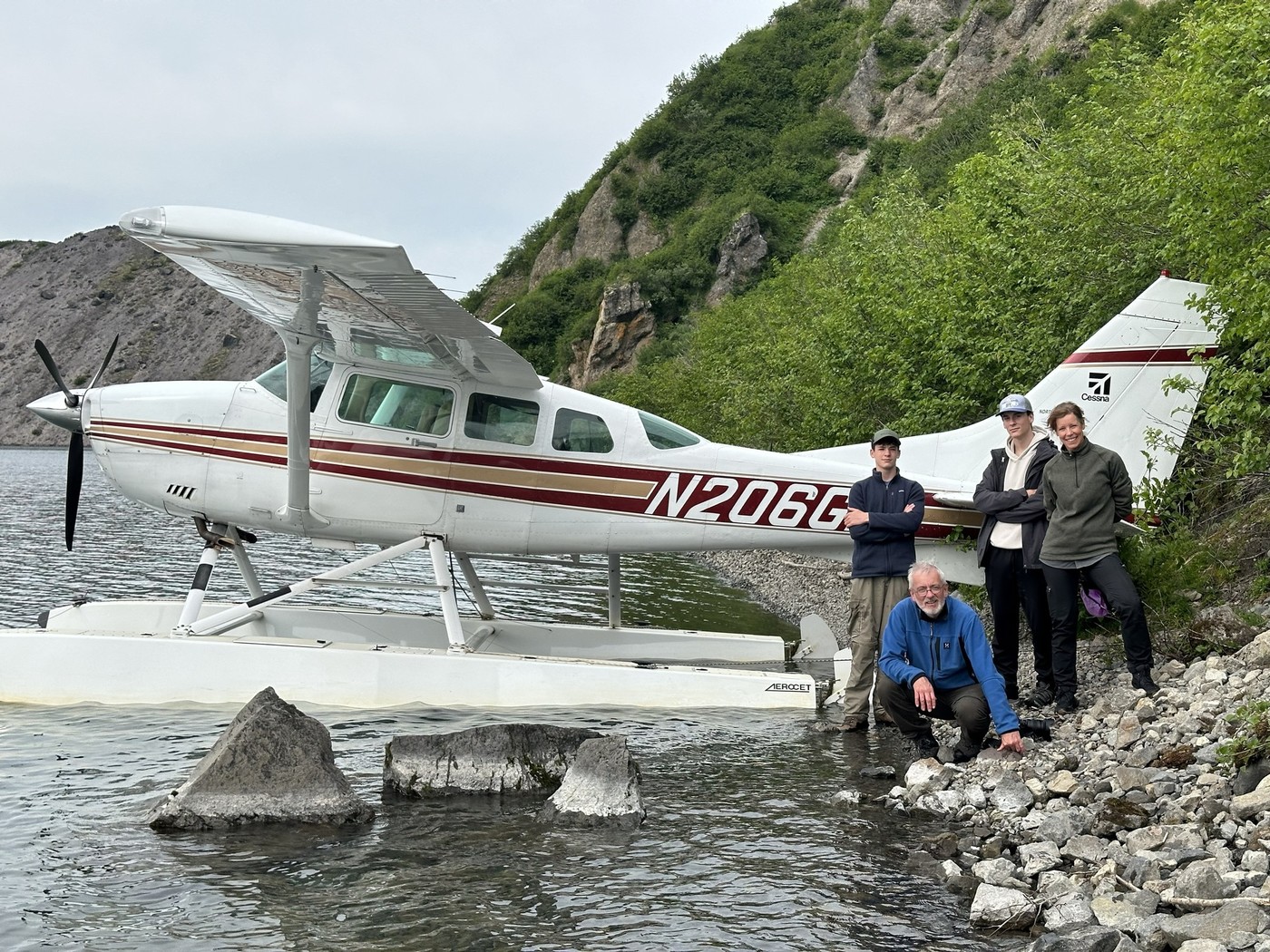
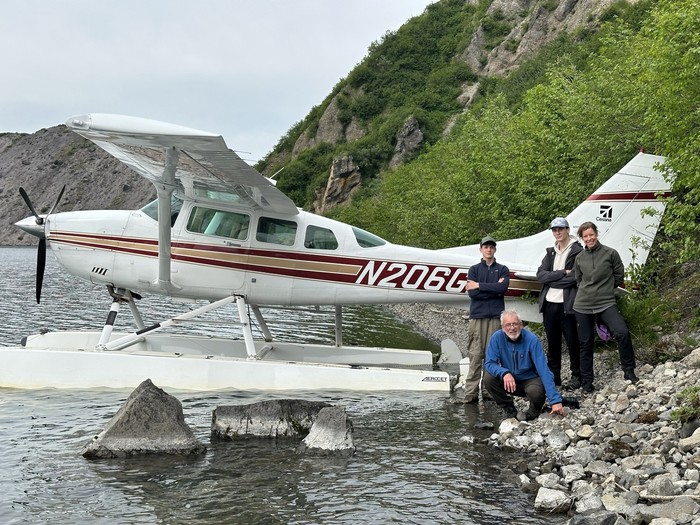
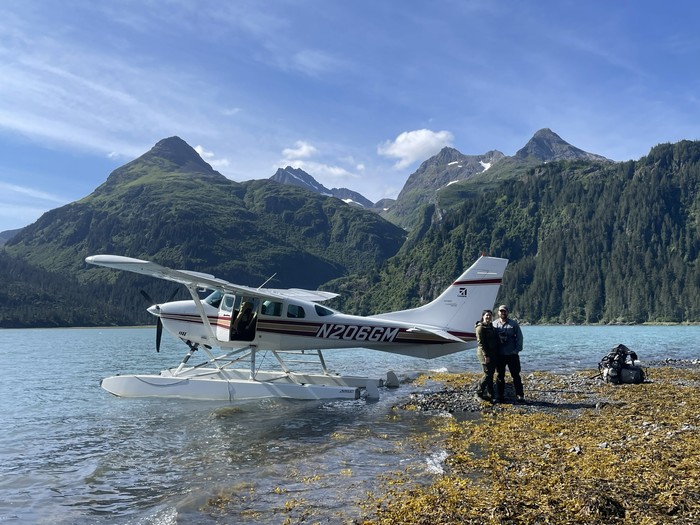
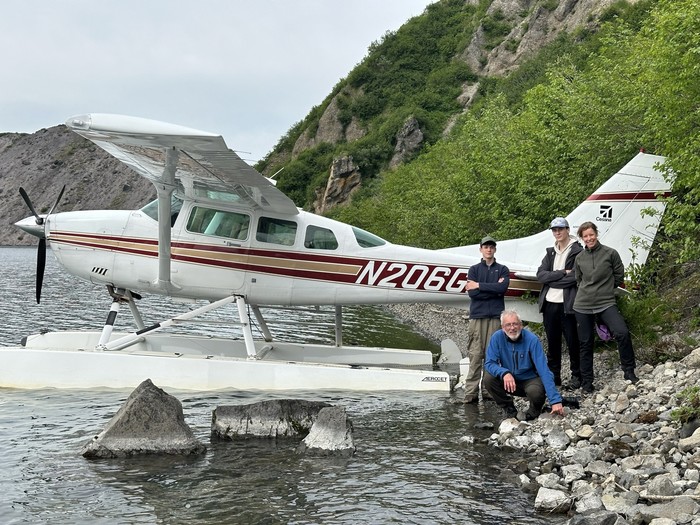
N206GM
Cessna Aircraft Company
Model: C-206G
Year: 1984
Length: 28 ft
Wingspan: 36 ft
Powerplant: Continental IO-550
Horsepower: 300
Payload: up to 850 lbs Includes pilot and fuel
# Pax: 5
Speed: 120 Knots
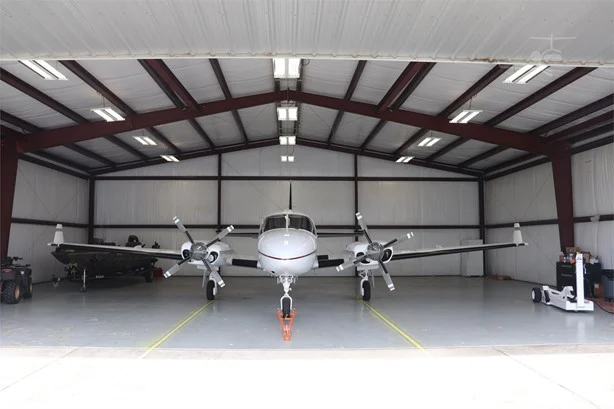
N350DT
Piper Aircraft
Model: PA-31-325/350 Panther Navajo
Year: 1984
Length: 41 ft
Wingspan: 35 ft
Powerplant: Twin Lycomming TIO 540 J2B
Horsepower: 350 ea.
Payload: up to 1750 lbs Includes pilot and fuel
# Pax: 9
Speed: 185 Knots


Why Our Plane Selection is Important to You?
Alaska and aviation are woven together by a shared history of exploration and the quiet, breathtaking beauty of the North. When we set out to design the ultimate touring experience for you, we knew that our wings would be the heart of that journey.
There is something truly soulful about seeing Alaska from above. From a bird’s-eye view, the world opens up—glaciers, volcanoes, and hidden waterfalls reveal themselves in a way that ground travel simply can’t match. These are the moments that turn into lifelong stories, and it’s our privilege to transport you into the untouched wilderness of Alaska’s national parks every day.
We didn’t choose our fleet lightly. Our pilots and mechanics spent years studying the aircraft that have shaped Alaska, prioritizing your safety, comfort, and peace of mind above all else. That search led us to the de Havilland Turboprop and the Cessna 206—the gold standards of the bush.
The de Havilland Turbine: We made a significant investment in three of these remarkable machines, and they have become the crown jewels of our fleet. They are powerful yet incredibly smooth and quiet, offering a serene climb above the rugged landscape. This "Turbo" performance is what powers our signature Bear Viewing tours, getting you to the bears faster so you can spend more time immersed in their world.
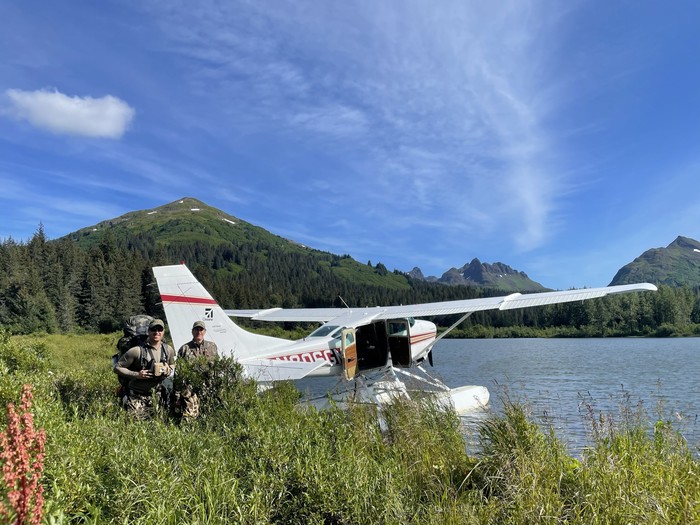
The Cessna 206: Affectionately known as the “pickup truck of the North,” our 206 is as rugged as the terrain it flies over. With its wide doors and versatile frame—whether on floats or tundra tires—it’s built to handle the day-in, day-out demands of the wild while keeping you tucked in comfort.
At Destination Alaska, our choice of aircraft reflects our commitment to you. It’s more than just transportation; it’s a promise of safety, reliability, and a front-row seat to the extraordinary. We invite you to step aboard and feel the difference for yourself.
WHY TURBINE PLANES?
- Enhanced Power-to-Weight Ratio:
- Power Output of Turbine Engines: Turbine bush planes commonly incorporate turbine engines, offering a superior power-to-weight ratio in comparison to piston engines. This results in improved takeoff performance, especially in demanding conditions like short or high-elevation airstrips prevalent in Alaska. The heightened power enables turbine bush planes to operate efficiently, even with substantial loads, making them ideal for transporting cargo and passengers in the rugged Alaskan wilderness.
- Increased Reliability and Durability:
- Streamlined Mechanical Structure: Turbine engines have fewer moving parts than conventional piston engines, leading to heightened reliability and reduced maintenance demands. In the challenging and isolated conditions of Alaska, where access to maintenance facilities may be limited, the straightforward design of turbine engines becomes a significant advantage. Turbine bush planes can endure rough landings, severe weather, and prolonged operation without experiencing the same level of wear and tear as piston engines, contributing to elevated overall durability.
- Enhanced High-Altitude Performance:
- Consistent Power at Altitude: Turbine engines maintain a steady power output at higher altitudes, making them well-suited for the mountainous terrain of Alaska. Given that bush planes often need to traverse mountain ranges and glaciers, the ability to operate effectively at high altitudes is crucial. Turbine engines deliver reliable performance in these conditions, ensuring that pilots have the necessary power for safe takeoffs and climbs, even in the challenging topography of the Alaskan wilderness.